
How to Store Climbing Equipment Properly and Safely
Last Updated: November 17, 2026
Quick Summary
Store climbing equipment by material in a cool, dark, dry, ventilated place, off the ground and away from heat, sunlight, moisture, chemicals and pests. Coil ropes loosely in wide loops, hang slings and harnesses uncompressed, retract cam lobes, and keep metal in vented bins. Clean, dry and inspect every piece before it goes into storage.
- Coil ropes in loops roughly an arm's length wide and tie them off loosely with the rope's own ends.
- Retract cam lobes slightly so they are not stored under tension, and hang the rack on a wide hook.
- Build a rack in three zones: wide hooks on top, pegboard pegs in the middle, vented bins at the bottom.
- Sealing gear in a closed plastic bin with no airflow traps moisture and is worse than an open shelf.
- Rinse rope in cool water with no detergent and dry it out of direct sun.
Table of Contents
- Why Climbing Equipment Storage Decides How Long Your Kit Lasts
- How to Store a Climbing Rope Without Kinks or Weak Spots
- Grouping Your Kit: How to Organize Climbing Hardware and Slings
- Trad Rack Storage: Keeping Cams, Nuts and Passive Pro Ready to Grab
- Building a Climbing Gear Storage Rack for Home or Garage
- Choosing a Climbing Gear Organizer Bag for the Crag and Travel
- Cleaning, Drying and Inspecting Gear Before It Goes Into Storage
- Shop Gear That Stores Well and Travels Better
- Frequently Asked Questions
Why Climbing Equipment Storage Decides How Long Your Kit Lasts
Most climbing gear does not fail on the wall. It fails in the garage.
Wear on climbing gear almost always traces back to storage rather than use.
Here is the core idea this guide runs on: store by material, not by convenience. Nylon, dyneema, aluminum and rubber each fail in different ways.
Below, we cover rope care, hardware grouping, trad racks, home storage builds, crag bags, and a cleaning routine you can follow in one afternoon.
How to Store a Climbing Rope Without Kinks or Weak Spots
Store a climbing rope loosely coiled in a cool, dark, dry place, off the ground, away from chemicals and direct sun.
A common mistake is coiling a rope tight and hanging it on a nail.
Follow these steps:
- Coil the rope in loops roughly an arm's length wide
- Tie it off loosely with the rope's own ends, never a zip tie
- Store it in a rope bag or hang it on a wide, smooth peg
- Keep it out of sunlight and away from car batteries, fuel and solvents
If you are still learning your rope's behavior, our guide on how to choose climbing ropes explains how diameter and construction affect how a rope coils and wears.
Watch out: storing a rope next to a garage floor that sees road salt or fertilizer runoff will quietly degrade the sheath. Keep ropes elevated.
Grouping Your Kit: How to Organize Climbing Hardware and Slings
Group climbing hardware by type and by how you rack it on your harness. Carabiners go together, quickdraws stay paired, slings and webbing hang separately, and belay devices get their own pouch. Grouping by type means you can see what is missing at a glance.
Grouping hardware by type makes it easier to spot problems during inspection.
A practical setup looks like this:
- Carabiners: one bin, gates open or closed consistently, never stacked under load
- Quickdraws: kept as matched pairs, dogbones relaxed, not stretched
- Slings and webbing: hung loose on wide hooks, never folded sharp
- Belay devices: separate pouch, checked for groove wear each time
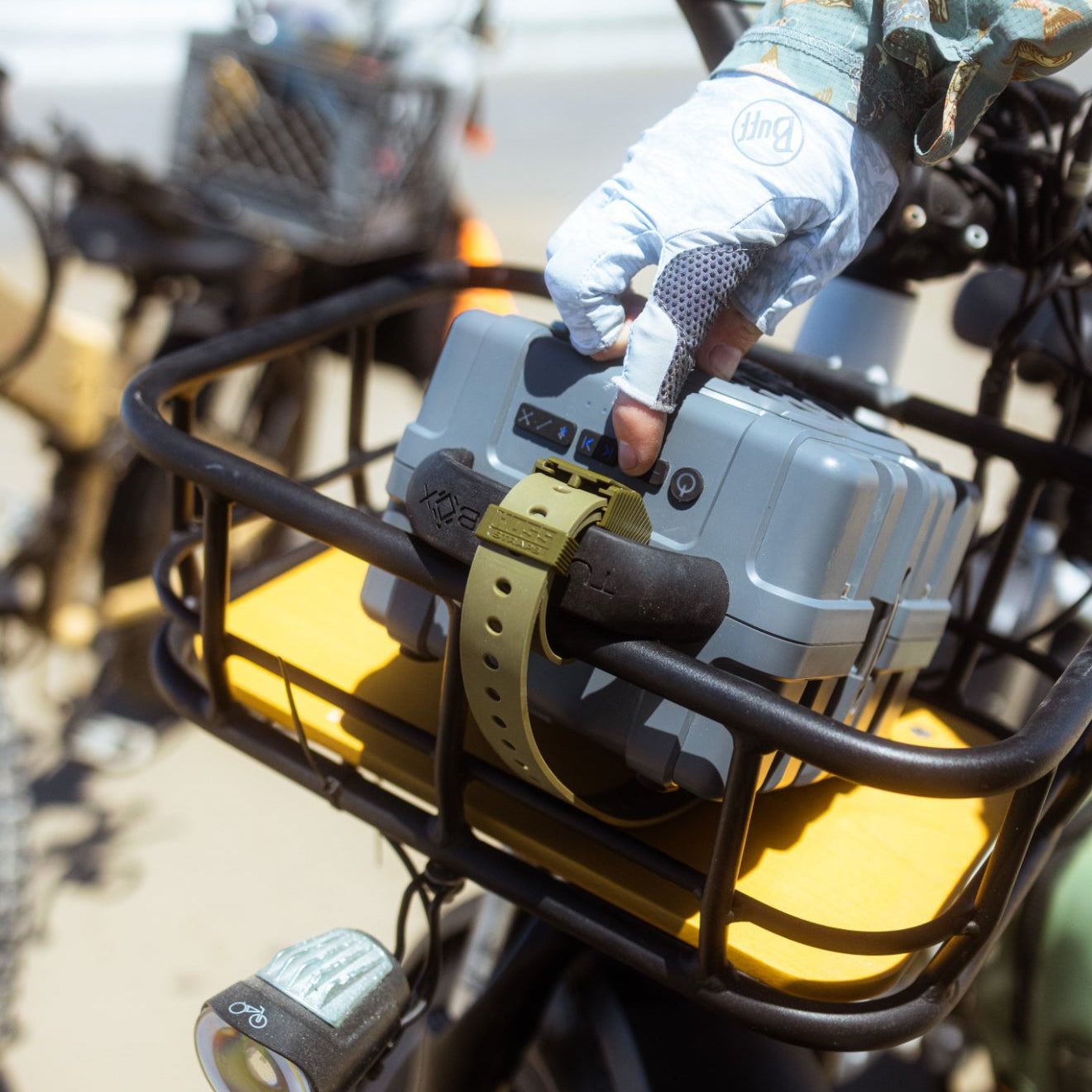
24-inch gear straps can bundle slings and hardware for hanging.
Trad Rack Storage: Keeping Cams, Nuts and Passive Pro Ready to Grab
Trad rack storage should keep cams relaxed, nuts sorted by size, and every piece visible. Retract cam lobes slightly so they are not stored under tension, and hang or lay the rack so the slings are not compressed. A trad rack stored in a stuff sack for months comes out with bent wires and memory in the slings.
For passive pro:
- Sort nuts on a wire rack or in a slotted roll by size
- Keep hexes and tricams separate so they do not bang together
- Check wire loops for fraying at the swage before every season
- Hang the rack on a wide hook, not a nail
Building a Climbing Gear Storage Rack for Home or Garage
A climbing gear storage rack can be planned in three zones:
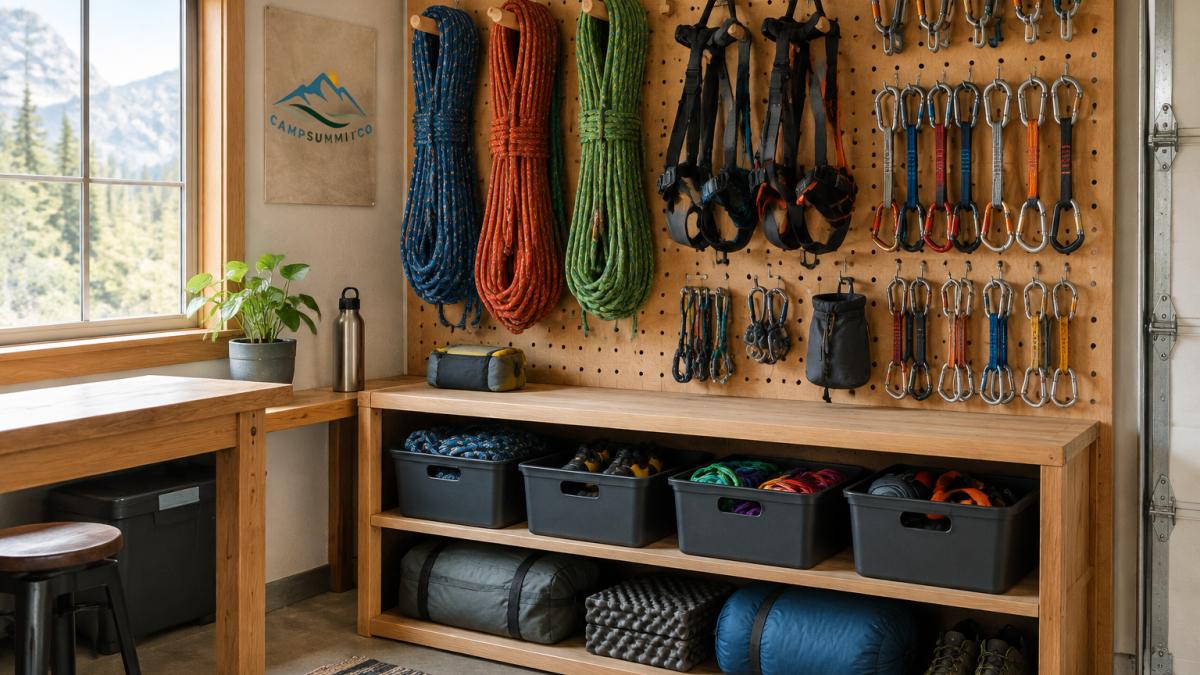
- Top zone: wide hooks for ropes, slings and webbing, hung loose
- Middle zone: pegboard pegs for carabiners, quickdraws and belay devices
- Bottom zone: open or vented bins for shoes, chalk and helmets, plus a tray for hardware
Then audit the space against these five hazards before you hang a single hook:
- Heat: Car interiors and uninsulated garages can reach temperatures that soften rubber and accelerate nylon aging. Keep the rack out of direct sun and away from water heaters, furnaces, and south-facing windows. A shaded interior wall is better than a sunny exterior one.
- UV and sunlight: Prolonged sunlight degrades nylon, dyneema, and rubber. Store ropes, slings, and shoes behind a cabinet door, in a rope bag, or on a wall that never gets direct sun. A window that looks pleasant in the photo is a slow wear source.
- Moisture and humidity: Damp basements, garages with concrete sweating, and rooms with poor airflow drive mildew and corrosion. Choose a space with airflow, keep gear off the floor, and use vented bins rather than sealed plastic. A simple hygrometer is cheap and tells you whether the room stays in a reasonable range.
- Chemicals and fumes: Fuel, solvents, fertilizer, road salt, paint, and battery acid are all bad neighbors for nylon and metal. Do not store ropes or slings on a garage floor that sees runoff, and keep gear away from lawn-care shelves and car batteries.
- Pests and household access: Mice chew webbing and nesting material; pets chew rubber and cord. Keep gear in closed but vented bins or behind a door, and keep sharp tools, bikes, and garden equipment from leaning against slings.
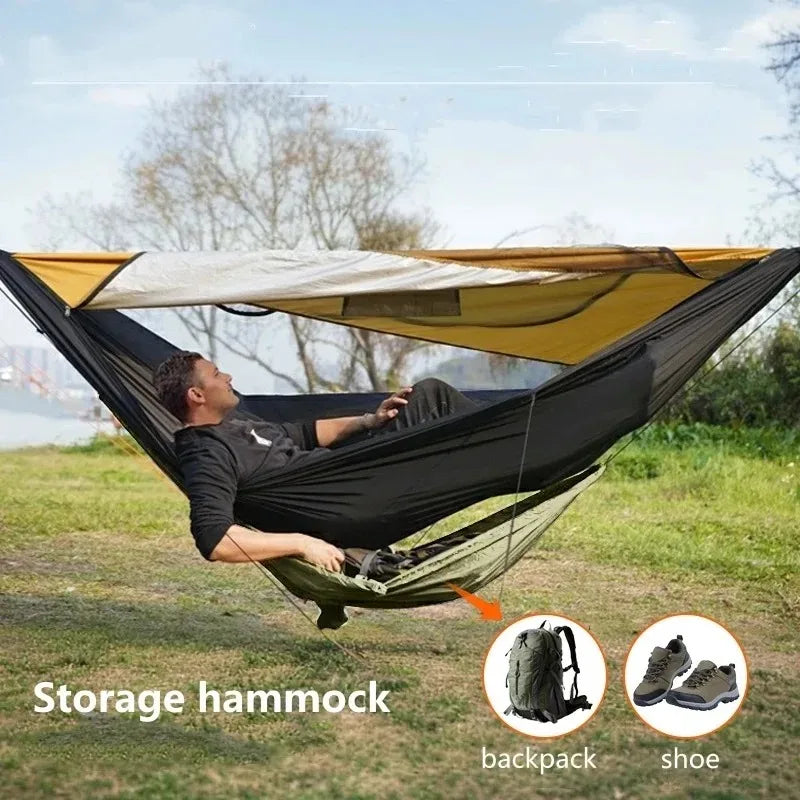
If space is tight, a compact gear hammock can help. The portable small gear storage hammock is designed for small outdoor gear and is lightweight and portable.
Watch out: sealing gear in a closed plastic bin with no airflow traps moisture and is worse than leaving it on an open shelf in a dry room.
Before you hang a single hook, check the room against these five storage hazards.
| Hazard | Why it damages gear | What to do |
|---|---|---|
| Heat | Softens rubber and accelerates nylon aging | Keep rack out of direct sun and away from heaters |
| UV and sunlight | Degrades nylon, dyneema and rubber | Store behind a cabinet door, in a rope bag, or in shade |
| Moisture and humidity | Drives mildew and corrosion | Choose airflow, keep gear off floor, use vented bins |
| Chemicals and fumes | Fuel, solvents, fertilizer, road salt and battery acid harm nylon and metal | Keep gear away from lawn-care shelves and car batteries |
| Pests and household access | Mice chew webbing; pets chew rubber and cord | Use closed but vented bins or keep gear behind a door |
Choosing a Climbing Gear Organizer Bag for the Crag and Travel
A climbing gear organizer bag should separate rope, hardware and personal items, carry comfortably, and let you see your rack without unpacking everything.
Check these boxes before you buy:
- Wide opening that stays open on its own
- Internal or external loops for clipping hardware
- A rope section separate from metal
- Weather-resistant base for wet ground
- Shoulder straps that work for the approach
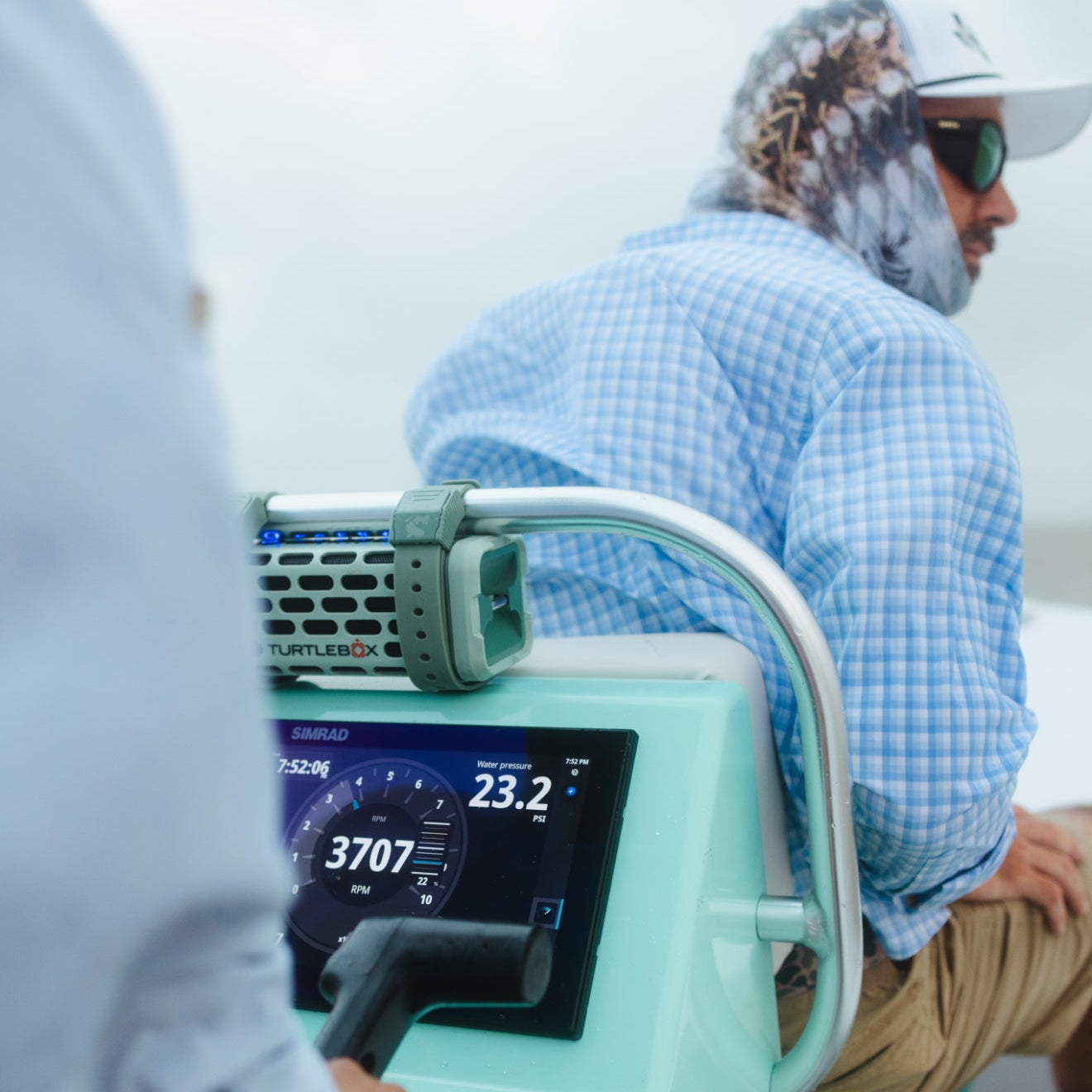
12-inch gear straps can be used to secure gear inside or onto a pack.
Packing for transport is where most gear quietly wears. Pack by item, not by whatever fits:
- Rope: coil loosely and carry it in its own bag or tarp, not compressed under hardware. Keep it away from fuel, solvents, and sharp tools in the vehicle.
- Harness and slings: keep them loose and uncompressed; do not stuff them into a tight pocket where they take a permanent set.
- Carabiners and quickdraws: keep quickdraws paired and gates unloaded; do not let a heavy rack sit on top of slings.
- Helmet: pack it so it is not crushed or loaded on one side; do not store it sealed and damp.
- Shoes: air them out of the pack after the day; do not leave them compressed under a bin.
Watch out: a hot car is one of the fastest ways to age rubber and nylon.
For long-term and seasonal storage, use a repeatable off-season checklist so nothing sits dirty or damp for months:
- Prepare: clean and fully dry every piece using the routine in the next section; inspect as you go.
- Pack: store ropes loose in a bag or on a wide hook, hang slings and harnesses uncompressed, and keep metal in vented bins.
- Place: choose a cool, dark, dry, ventilated spot away from heat, sun, chemicals, pests, and household traffic.
- Record: note what went into storage and when, so you can track age and use before the next season.
- Check periodically: every few weeks, open the bins, feel for dampness, look for corrosion or mildew, and loosen any coil that has taken a set.
This is also the moment to connect storage with inspection and retirement.
Cleaning, Drying and Inspecting Gear Before It Goes Into Storage
Clean and dry every piece before it goes into storage, then inspect it. Dirt traps moisture, and moisture drives corrosion and mildew.
Follow this order:
- Rinse rope in cool water, no detergent, and dry it out of direct sun
- Wipe metal hardware with a damp cloth, then dry fully
- Brush dirt from slings and webbing, air-dry away from heat
- Wash shoes in cool water, stuff with newspaper, air-dry
- Check every piece for cuts, fraying, corrosion or deep grooves
Before you store a piece you are unsure about, our guide on how to spot fake climbing gear walks through the markings and build details that separate real certified equipment from copies.
Watch out: never store gear damp "to deal with later." Mildew and corrosion set in within days, and both weaken nylon and metal.
Shop Gear That Stores Well and Travels Better
At campsummitco, we stock climbing and mountaineering equipment along with gear straps.
The challenge is simple: your kit only performs as well as it is kept. Gear that is clean, dry, grouped and inspected is gear you can trust when it matters.
Here is how we help:
- Specialized climbing and mountaineering gear built for technical use
- Gear straps in 12-inch and 24-inch sizes for bundling and hanging hardware
- Compact storage solutions that keep small items off the ground
Your next trip is only as good as the condition of your kit. Store it right, inspect it often, and it will be there when you need it.
Frequently Asked Questions
Can climbing gear be stored in a garage or car?
A garage is workable if it stays dry and out of direct sun, but a car is a bad choice. Heat buildup and UV through windows degrade nylon webbing, rope and slings faster than almost anything else. If you must use a garage, keep gear in sealed bins off the floor, away from fuel, solvents and car batteries, and check it more often for stiffness, fading or chemical smells. Any gear with an unknown history of heat or chemical exposure should be retired rather than trusted on a climb.
Should climbing equipment be stored in a bag or hung up?
Both work, and the right answer depends on the item. Ropes, harnesses and slings do best loosely coiled and hung on a wide hook or stored in a ventilated bag, never compressed under heavy hardware. Carabiners, cams and nuts are fine in a climbing gear organizer bag or open bin where air moves and you can see the whole rack at a glance. Avoid leaving anything damp in a sealed bag, and never store ropes in a tight stuff sack for months at a time.
How long will an unused climbing rope last in storage?
There is no fixed expiry date, but storage conditions decide how long a climbing rope stays trustworthy. A rope kept clean, dry, loosely coiled and away from UV, heat and chemicals can remain usable for years, while one left in a hot car or a damp basement can degrade in a single season. Record the purchase date, inspect the rope before each use for flat spots, glazing, stiffness or core damage, and retire it if anything looks or feels wrong.
How do I store climbing gear to keep it dry and clean?
Clean and dry gear before it goes away, every time. Brush dirt off cams and nuts, wipe grit from carabiners, and wash ropes and webbing in lukewarm water with a mild soap, then air dry fully out of sunlight. Store everything in a well-ventilated spot with low humidity, in open bins or mesh bags rather than sealed containers, and keep a small drying area set up at home so damp kit never gets packed away wet.
