
How to Choose Climbing Ropes: A 2026 Guide
Table of Contents
- Understanding Climbing Rope Types
- Climbing Rope Diameter: Finding the Right Balance
- Rope Length: 60m vs 70m Climbing Rope and Beyond
- Key Specifications That Matter When You Choose Climbing Ropes
- Climbing Rope Care and Lifespan: Inspection and Retirement
- Matching Rope to Your Climbing Discipline and Experience
- Making Your Decision: Common Mistakes to Avoid
- Frequently Asked Questions
Last Updated: October 10, 2026
Understanding Climbing Rope Types
When you choose climbing ropes, the first decision is dynamic or static: whether your rope absorbs fall shock or stays rigid under load.
Dynamic ropes stretch under load, absorbing fall energy and reducing impact force on the body and anchors. They're standard for lead and sport climbing, where falls are expected.
Static ropes have minimal stretch and are used for rappelling, fixed lines, and rescue work where predictability matters more than shock absorption.
Dynamic vs Static Ropes
Dynamic ropes stretch 8-10% under body weight; static ropes stretch less than 3%. This difference matters: a dynamic rope catches you gently, while a static rope would jerk you hard and risk injury.
Most climbers use dynamic rope. Static ropes are for specialized applications like rigging, rescue, or fixed-line work.
Single, Half, and Twin Ropes
Single ropes handle full fall protection alone and are the most common choice for sport and gym climbing, typically 9-11mm in diameter.
Half ropes are 7-8mm and used in pairs, clipped into alternating anchors. Trad climbers favor them because they distribute load across anchor points and reduce drag on wandering routes, though managing two ropes requires more skill.
Twin ropes are 6-7mm and must be clipped into the same anchor. They're rare and mostly used in rescue or mountaineering.
| Rope Type | Diameter | Best For | Key Trade-off |
|---|---|---|---|
| Single | 9-11mm | Sport climbing, gym | Simple to manage, heavier |
| Half | 7-8mm | Trad climbing, long routes | Less drag, requires two ropes |
| Twin | 6-7mm | Mountaineering, rescue | Specialized use, rarely needed |
Climbing Rope Diameter: Finding the Right Balance
Rope diameter balances durability against weight and packability: thicker ropes last longer, thinner ropes weigh less.
A 9.5mm single rope is the industry standard for sport climbing: durable, comfortable, and versatile. Thinner ropes save weight but wear faster and feel thin during belaying.
For trad climbing with half ropes, 7.5mm is common, reducing overall weight while distributing wear evenly across frequent clip points.
Diameter affects belay device compatibility: thicker ropes grip more easily, thinner ropes can slip if your device isn't designed for them. Check specifications before buying.
Rope Length: 60m vs 70m Climbing Rope and Beyond
Rope length determines how far you can climb on a single pitch or rappel in one descent, depending entirely on your routes.
A 60m rope is the minimum for most sport climbing. It covers a typical single-pitch route with enough length to set up an anchor and rappel back down.
A 70m rope extends your reach. On multi-pitch routes, a longer rope means fewer pitches and faster ascents.
For trad climbing, rope length is critical because you're not rappelling back down a fixed anchor.
Common lengths:
- 50m: Gym climbing, short single pitches
- 60m: Sport climbing, single-pitch routes
- 70m: Multi-pitch routes, longer single pitches
- 80m+: Trad climbing, long descents
The choice depends on where you climb. Research your local routes and ask experienced climbers what length they use.
Key Specifications That Matter When You Choose Climbing Ropes
Beyond type, diameter, and length, several technical specifications define how a rope performs. Understanding them helps you match a rope to your actual climbing.
Sheath Construction and Durability
The sheath is the outer layer of the rope. It takes the punishment, friction against rock, abrasion from carabiners, contact with the ground. A tightly woven sheath lasts longer.
Sheath percentage refers to the proportion of the rope's total weight that the sheath comprises. A higher sheath percentage (around 50-55%) means more durable rope but also slightly heavier.
The core, the interior strands, provides the rope's strength. Modern ropes use nylon or polyester core materials. Nylon has slightly more stretch and feels smoother in your hand.
Ropes designed for harsh conditions use reinforced sheaths or special weaving patterns that shed water and dirt.
Dry Treatment and Wet Conditions
Dry treatment is a coating applied to the rope to repel water. Untreated ropes absorb moisture, which increases weight and reduces performance. A treated rope sheds water and maintains its handling characteristics even in rain or wet rock.
The trade-off: dry treatment adds cost and slightly reduces the rope's lifespan because the coating eventually wears away. If you climb mostly indoors or in dry conditions, dry treatment isn't essential. If you climb outdoors in wet climates or during seasons with frequent rain, dry treatment is worth the investment.
Some ropes use partial dry treatment, coating only the sheath. Others treat the core as well. Full treatment lasts longer and performs better in sustained wet conditions.
Fall Rating and Impact Force
Fall rating indicates how many falls a rope can theoretically catch before the core is damaged. A rope rated for 5-12 falls can absorb multiple impacts.
8mm Predator™ Rope-By The Foot/Spool →
Impact force measures the maximum deceleration a falling climber experiences, expressed in kilonewtons. Lower impact force is better; it means the rope absorbs energy more gently. Most modern dynamic ropes keep impact force between 8-12 kN, which is well within safe limits for climber and anchor systems.
These specifications are standardized through UIAA (International Climbing and Mountaineering Federation) testing. Every rope sold for climbing has been tested and rated. If a rope doesn't have these specifications, it's not certified for climbing and shouldn't be used.
Climbing Rope Care and Lifespan: Inspection and Retirement
A climbing rope is an investment that can last years if you maintain it properly. Regular inspection catches damage before it becomes dangerous. Retirement criteria are clear once you know what to watch for.
Inspect your rope before every climb. Feel along the length for soft spots, which indicate internal core damage. Look for cuts, fraying, or discoloration in the sheath.
Store ropes away from direct sunlight and heat. UV exposure degrades nylon over time, which is why ropes left in a sunny garage deteriorate faster than ropes stored indoors.
Retire a rope if:
- The sheath is severely damaged over more than a few inches
- You've taken a serious fall on it (even if it looks fine)
- It's more than 10 years old, even if unused
- It has a soft spot or feels mushy when squeezed
- The middle marker is worn away or faded
A retired rope can be repurposed for non-climbing applications, rigging, hauling, securing loads, but never use it for climbing again.
Matching Rope to Your Climbing Discipline and Experience
Different climbing styles demand different ropes. Matching rope to your discipline and skill level is where the theory becomes practice.
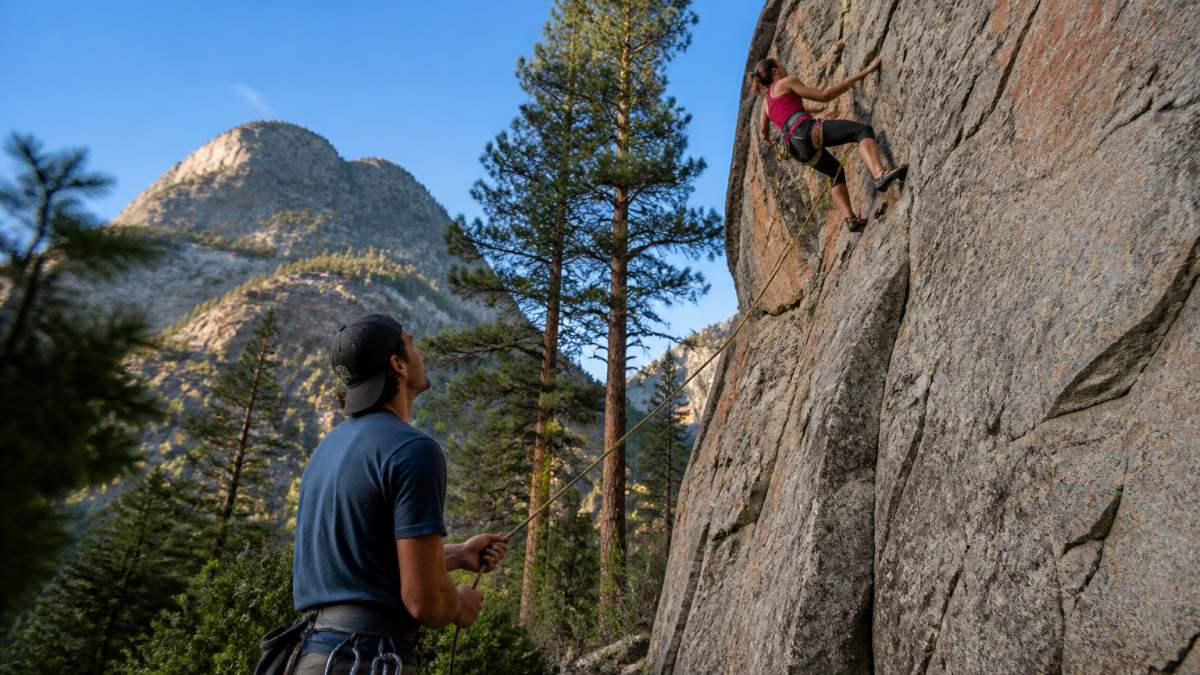
Sport Climbing and Trad Climbing
Sport climbers use single ropes, typically 9.5-10mm in diameter. The rope clips into bolted anchors as you ascend. A 60-70m rope covers most sport climbing routes. Dry treatment is optional unless you climb in wet conditions regularly.
Trad climbers place their own protection as they ascend, which means the rope is clipped into anchors they've placed themselves.
Many new climbers make this mistake: buying a thin, light rope before they have the experience to manage it. A 9mm single rope is more forgiving than an 8.5mm. It handles belay errors better and wears more slowly.
Rope Compatibility with Belay Devices
Your belay device has a recommended rope diameter range. Most modern devices work well with 8.5-11mm ropes. Thinner ropes (7.5mm or less) require devices specifically designed for them, or they'll slip under load.
If you're using an ATC or similar tube-style device, a 9.5-10mm rope is ideal. The friction is predictable and easy to manage. If you're using a GriGri or similar assisted-braking device, check the manufacturer's specifications, some work with ropes as thin as 8.5mm, others require 9mm or thicker.
Mismatching rope to device is a common oversight that creates real hazards. Before you buy a rope, verify it's compatible with every device you use for belaying.
Making Your Decision: Common Mistakes to Avoid
Most climbers make one of three mistakes when choosing a rope. Knowing them helps you avoid the trap.
Mistake 1: Choosing based on price alone. A cheap rope is cheaper upfront but wears faster and may not meet modern safety standards.
Mistake 2: Buying too thin too soon. New climbers often buy 8.5mm ropes thinking the lighter weight is worth it. It's not, not yet.
Mistake 3: Ignoring rope length for your climbing. If you climb mostly single-pitch sport routes, a 60m rope is fine.
The right rope matches your climbing discipline, your belay device, the routes you climb, and your skill level. If you're uncertain, ask experienced climbers at your gym or crag.
Choosing a climbing rope is a decision that affects your safety and enjoyment every time you climb. Explore our selection of 8mm Predator™ ropes and rappel kits designed for durability and reliability in the field.

Frequently Asked Questions
What is the best climbing rope for beginners?
Beginners should choose a single dynamic rope between 9.5-10.2mm in diameter, 60 metres long, with a dry treatment for wet conditions. Single ropes are forgiving, easier to handle, and work with most belay devices. Look for ropes certified to UIAA or EN standards and rated for at least 10 falls. The 8mm Predator™ Rope from CampSummitCo offers excellent knot-holding and flexibility, making it suitable as you develop your skills.
Should I get a 60 or 70 metre climbing rope?
Choose based on route length and rappel requirements. A 60m rope works for single-pitch sport climbing and most gym routes. A 70m rope is essential for multi-pitch climbing where you need longer rappels or face longer pitches (over 30 metres). If you climb outdoors regularly, 70m provides more versatility. For indoor climbing or single-pitch crags, 60m is sufficient and lighter to carry.
What does dry-treated climbing rope mean, and do I need it?
Dry treatment applies a water-repellent coating to the rope's sheath and core, reducing water absorption. This protects the rope from ice formation, maintains handling in wet conditions, and extends lifespan when exposed to moisture. If you climb outdoors in variable weather or near water, dry treatment is worth the cost. For indoor climbing in controlled environments, standard (non-dry) ropes work fine and cost less.
How often should a climbing rope be replaced?
Inspect your rope after every climb for cuts, fraying, or flat spots. Most ropes last 3-5 years with regular use, but retire them sooner if you notice visible damage, significant abrasion, or if the rope has absorbed a major fall. Store ropes away from sunlight and chemicals, UV damage and solvents degrade nylon quickly. A well-maintained rope can last longer, but safety always comes first; when in doubt, replace it.
What is the difference between single, half, and twin climbing ropes?
Single ropes (9.5-11mm) are used alone and work with any belay device, ideal for most climbers. Half ropes (8-9mm) are used in pairs for redundancy and lower impact force; common in trad and multi-pitch climbing. Twin ropes (7-8mm) must be clipped together through every draw and are less common today. Single ropes are easiest for beginners; half and twin ropes require more experience and specific belay technique.
What rope diameter is best for sport climbing?
Sport climbers typically use single ropes between 9.5-10.2mm in diameter. This range balances handling (thicker ropes are easier to grip and belay) with weight and packability. Thinner ropes (9.2-9.5mm) save weight on multi-pitch routes but require more belay skill. Thicker ropes (10.5mm+) are more durable and forgiving but heavier. For single-pitch sport climbing, 9.8-10mm is the sweet spot.
How do I know if a climbing rope meets safety standards?
Look for certification marks: EN 892 (European standard) or UIAA (Union of International Alpine Associations). These certifications confirm the rope has passed impact force, fall rating, and elongation tests. All climbing ropes sold by reputable retailers carry these markings. CampSummitCo's climbing equipment is third-party tested and meets these safety standards, so you can climb with confidence.
What is rope drag, and how does it affect my choice?
Rope drag occurs when the rope snakes through protection points instead of running in a straight line, creating friction that makes climbing harder. Longer, thinner ropes experience more drag on winding routes. To minimize drag, choose a rope diameter suited to your climbing style, thinner (9.2mm) for straight routes, thicker (10.2mm) for zigzagging pitches. Good rope handling and clipping technique also reduce drag significantly.