
Lightweight Backpacking Gear for Families: A Practical Guide
Last Updated: November 15, 2026
Quick Summary
Lightweight backpacking gear for families means cutting pack weight without cutting comfort, safety, or patience. Target each adult's pack under roughly a fifth of their body weight and each child's under a tenth, and split shared gear deliberately instead of buying less. Weigh your gear first, because most families discover they're carrying three of the same item.
- One tent per family, not one per person, is the core shelter rule.
- Children sleep colder than adults, so a bag rated 10°F below the adult rating is common.
- Build a gear spreadsheet with one column per family member and rerun it after every trip.
- Assign shared items to adults, since giving them to a child is the most common load-plan failure.
- Set a hard camp time, because running out of daylight is the most common family emergency.
Table of Contents
- Ultralight Backpacking Gear List for Families
- Ultralight Backpacking Gear on a Budget
- Backpacking Gear for Beginners With Kids
- How to Build a Backpacking Gear List Spreadsheet
- Sharing the Load: Family Load Plans and Pack Fit
- Safety, Weather, and Contingency Planning
- Shop Lightweight Backpacking Gear for Your Family
- Frequently Asked Questions
Ultralight Backpacking Gear List for Families
Lightweight backpacking gear for families means cutting pack weight without cutting comfort, safety, or the patience of the smallest hiker. The fix isn't buying less gear, it's buying lighter gear and splitting it deliberately.
Your family's base weight, everything in your packs excluding food and water, determines whether the trip is fun. Target each adult's pack under roughly a fifth of their body weight, each child's under a tenth. Weigh your gear first; most families discover they're carrying three of the same item.
The five categories below cover the essentials. Everything else is a luxury you can justify later.
- Shelter: one tent per family, not one per person
- Sleep system: bags or quilts plus pads, rated for the coldest night you expect
- Cooking: one stove, one pot set, shared utensils
- Water: capacity plus treatment, split between adults
- Clothing: layers that work wet, not just warm
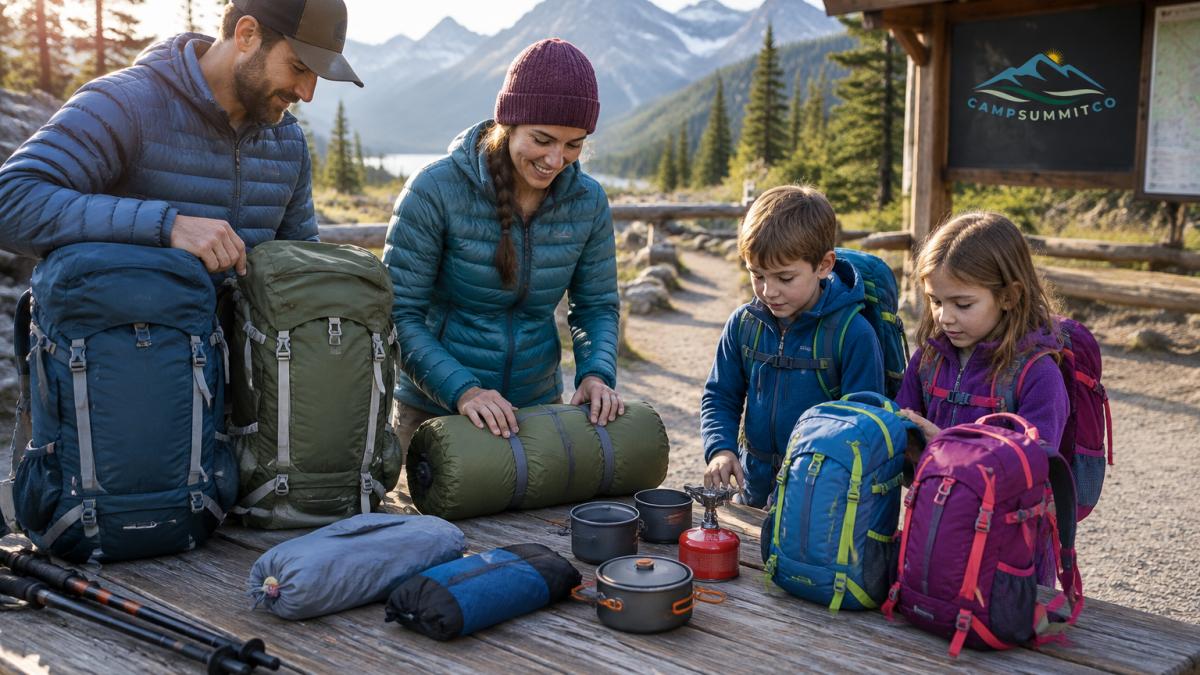
Shelter, Sleep System, and Cooking Essentials
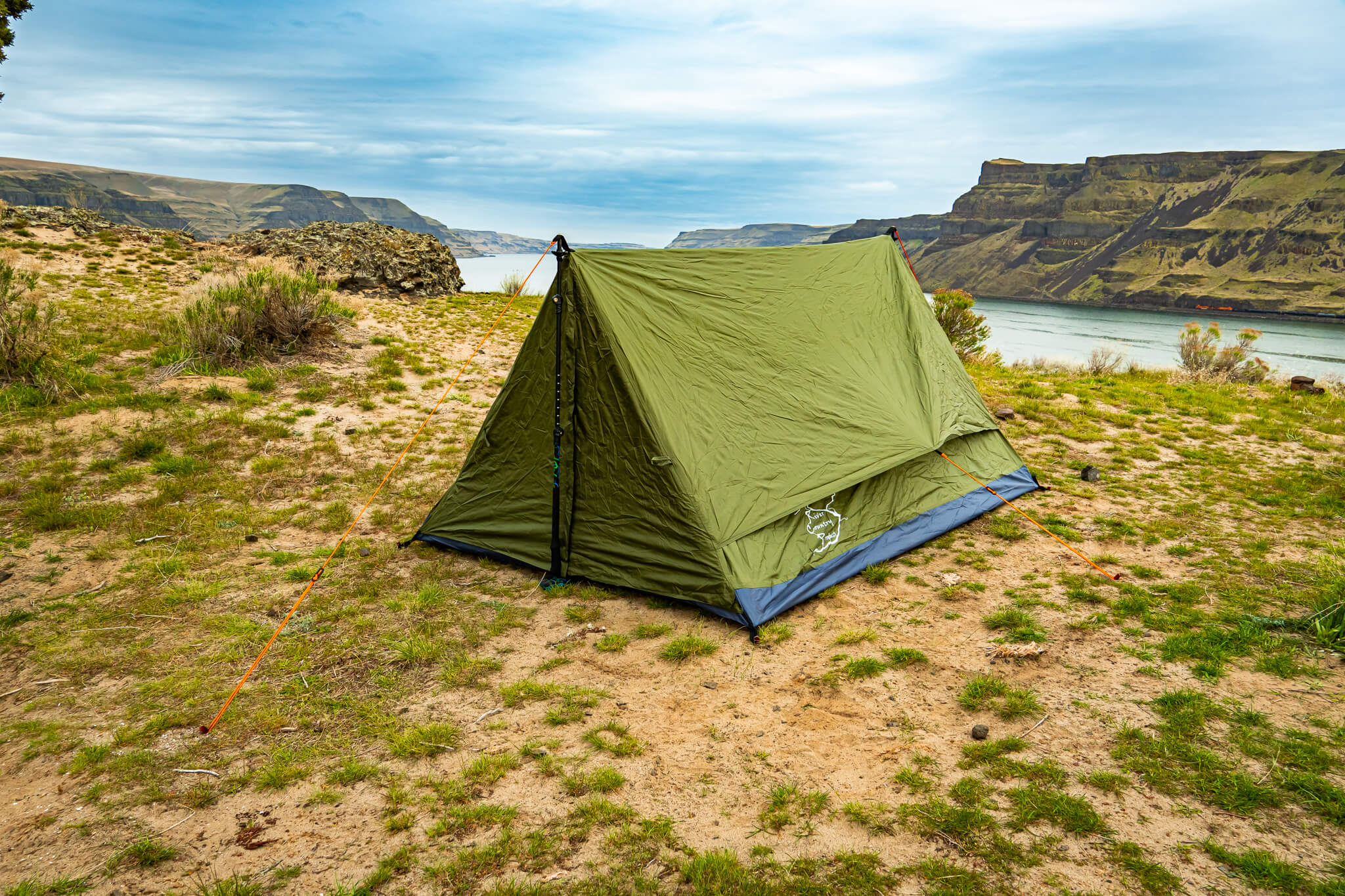
Shelter is often where families carry the most weight. A four-person dome tent is comfortable and simple to pitch, but heavier than a trekking-pole shelter. For a family of four, we generally recommend one larger tent for adults and smaller children, plus a lightweight two-person shelter for older kids who want their own space.
Our Trekker Tent 2.2 is one example: it uses your trekking poles instead of dedicated poles, which removes weight. If you are still comparing shelter styles, our guide to lightweight shelter solutions for backpacking walks through the options.
Sleep systems are personal, but the logic is shared: a pad's insulation matters more than its thickness, and a bag rated colder than you expect is worth the weight. Cooking is the easiest place to save, one stove, one pot, one shared mug per adult, and a small set of utensils.
Ultralight Backpacking Gear on a Budget
Ultralight backpacking gear on a budget is not a contradiction. It is a matter of knowing which items repay weight savings and which do not. Spending more to save grams on a tent makes sense. Spending more to save grams on a stuff sack does not.
The biggest budget lever for families is sharing. One stove, one water filter, and one repair kit can each serve four people. Buy quality where the item is shared and used hard; buy simple where it is personal and small.
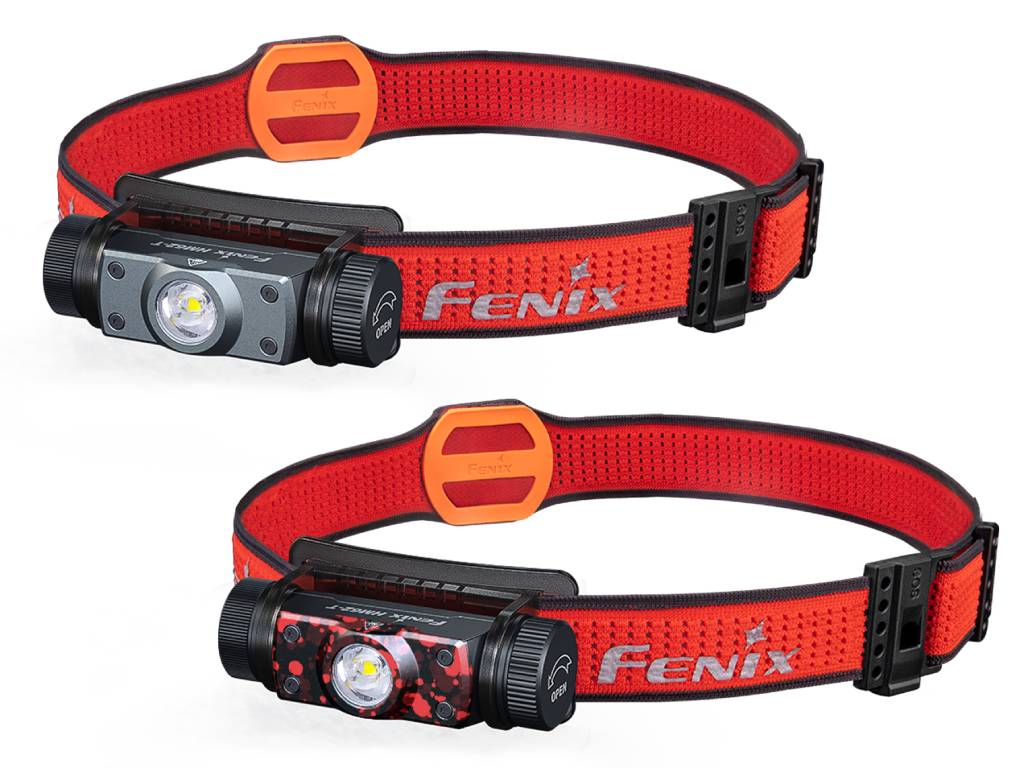
Lighting is a good example. A headlamp is not expensive, and it is the item families most often forget. The Fenix HM62-T Lightweight Trail Running Headlamp is a lightweight, rechargeable option with white and red LED modes. One per adult, plus one spare, is usually enough.
Watch out: buying the cheapest version of every item usually backfires on shelters and sleep systems, where a failed seam or a cold night ends the trip early. Save on accessories, not on protection.
Backpacking Gear for Beginners With Kids
Backpacking gear for beginners with kids should be chosen around one question: can this child carry it comfortably for the whole day? The answer changes dramatically with age, and most family gear guides skip that part. The table below gives age-specific guidance.
| Age Band | Can They Carry a Pack? | Target Pack Weight | What They Carry | Gear Priorities |
|---|---|---|---|---|
| Toddlers (1-3) | No, adult-carried or child carrier | 0 lb | Nothing; ride in a carrier or walk unloaded | Adult carries all child gear; prioritize carrier comfort and weather protection |
| Preschool (3-5) | Short bursts only | 2-4 lb | Snacks, water bottle, a small toy | Tiny daypack with sternum strap; no hip belt needed yet |
| Young children (6-9) | Yes, for 2-4 hours | 5-8 lb (under 10% body weight) | Sleeping bag, water, snacks, headlamp | Real hip belt, torso length fit, simple closures |
| Tweens (10-12) | Yes, most of the day | 8-12 lb (10-15% body weight) | Sleep system, water, snacks, clothing layers | Adjustable torso, durable fabric, load lifters |
| Teens (13+) | Yes, full day | 12-18 lb (15-20% body weight) | Full personal kit plus one shared item | Adult-style pack fit; can carry stove or tent |
Start with the pack, not the gear. A kids' pack needs a real hip belt and a torso length that matches the child; an adult pack strapped down to child size will ride badly and cause shoulder pain within an hour.
Children sleep colder than adults and lose heat faster, so a bag rated 10°F below the adult rating is a common family pattern. A pad with a higher R-value matters more than thickness; a cold child wakes everyone.
Clothing for beginners with kids should be simple and wet-proof, not clever. Avoid drawcords, buckles, and zippers that require fine motor skills. A rain shell with elastic cuffs and a full-length zipper beats a pullover.
A common mistake is treating a first family trip like a thru-hike. Plan shorter days, lower mileage, and a camp you can reach before the children are tired. Comfort and reliability beat weight savings on a first trip.
Durability matters more with kids: zippers get yanked, buckles get dropped, fabric meets rocks. Choose simple closures over clever ones.
Target pack weight by age band
How to Build a Backpacking Gear List Spreadsheet
A backpacking gear list spreadsheet is the single most useful tool a family can build, because it turns a vague sense of "we have too much stuff" into a number you can act on. Use a free tool like LighterPack, or a plain spreadsheet with one column per family member.
Build it in this order:
- List every item by category: shelter, sleep, cooking, water, clothing, safety, accessories.
- Enter the actual weight of each item in grams, weighed on a kitchen scale.
- Assign each item an owner. Every item has exactly one.
- Total the base weight per person and for the family.
- Flag anything over your target and decide: share it, replace it, or leave it.
- Rerun the list after every trip and delete what nobody used.
The last step is the one families skip, and it saves the most weight. A shakedown, laying out every item before the trip and justifying each one, catches duplicates fast: two first-aid kits, three lighters, four stuff sacks of the same size.
| Category | Typical Items | Who Carries It | Weight Check |
|---|---|---|---|
| Shelter | Tent, stakes, footprint | Adult | Heaviest single item |
| Sleep | Bag or quilt, pad | Each person | Personal, not shared |
| Cooking | Stove, pot, fuel, utensils | One adult | Shared across family |
| Water | Bottles, filter | Split by capacity | Shared filter |
| Clothing | Layers, rain shell | Each person | Personal |
| Safety | First aid, headlamps, repair kit | Split | One kit, one spare light |
Sharing the Load: Family Load Plans and Pack Fit
Load distribution is where lightweight backpacking gear for families succeeds or fails; the lightest kit in the world is useless if one adult carries all of it.
Family of two adults, one child (age 8). Total family base weight target: 18-22 lb. Adult A carries the tent (4-5 lb), stakes, and footprint. Adult B carries the stove, pot, fuel, and shared water filter.
Family of two adults, two children (ages 7 and 11). Total family base weight target: 24-30 lb. Adult A carries the main tent (5-6 lb) and the shared cooking kit. Adult B carries the second shelter for the older child (3-4 lb) and the water filter.
Family of two adults, three children (ages 6, 9, 13). Total family base weight target: 30-36 lb. Adult A carries the main tent and the cooking kit. Adult B carries the second shelter and the water treatment.
Write the load plan down before you pack. Assign the tent to the strongest adult, the food to whoever has the most room, and the shared cooking kit to a third person if you have one.
Pack fit deserves an hour of your time. Loosen every strap, load the pack, then tighten the hip belt first, the shoulder straps second, and the load lifters last.
Our Gear Straps 24-Inch can help secure gear to the outside of a pack. Watch out: the most common load-plan failure is assigning shared gear to a child who then cannot keep up, so keep shared items with adults.
Safety, Weather, and Contingency Planning
Safety planning for a family backpacking trip starts with the weather forecast and ends with a decision you make before you leave: the turnaround point. Pick it in advance, write it down, and agree that reaching it means turning around regardless of how everyone feels.
Build a small shared safety kit: first aid, a repair kit for tents and pads, a fire source, and a headlamp per person plus one spare. Navigation deserves real attention on family trips, because a wrong turn with tired children is a different problem than one with adults. Our article on reliable navigation tools for wilderness hiking covers navigation options for hikers.
Watch out: the most common family emergency is not injury, it is running out of daylight. Set a hard camp time and stick to it. A short day that ends in daylight beats a long day that ends with headlamps and hungry children.
Shop Lightweight Backpacking Gear for Your Family
The gear only matters once it is in your pack and on the trail. Start with the shelter and sleep system, weigh everything, and build the load plan around who can actually carry what.
Building a family kit that is genuinely light takes a few trips and a willingness to leave things behind. campsummitco stocks the pieces that do the most work: trekking-pole shelters that cut pack weight, rechargeable headlamps that survive a season of camp use, and gear straps that make a shared load plan actually hold together on the trail. Start with the shelter, weigh it, and build outward from there.
Frequently Asked Questions
What gear should I pack for backpacking with my kids?
Start with a shared shelter, a sleep system sized to each child, and a simple cook set. Add clothing layers, rain protection, water treatment, snacks, and a headlamp per person. Keep each child's load under roughly 10 to 15 percent of their body weight, and carry the heavy shared items yourself. A printed checklist or spreadsheet helps you avoid doubling up on pots, stoves, and first-aid kits.
How do you divide backpacking gear among family members?
Split shared gear by weight and skill. Adults carry the tent, stove, fuel, and water filter. Kids carry their own sleep system, clothing, snacks, and a headlamp. Assign one person to navigation and one to the first-aid kit so nothing is duplicated. Weigh every pack before you leave and move items until each load feels balanced for the terrain and distance.
What backpacking gear can kids carry?
Kids can carry their sleeping bag or quilt, a sleeping pad, clothing layers, snacks, a water bottle, and a headlamp. Keep the load light and the pack fitted to their torso. Avoid assigning shared gear like the tent or stove to younger children. Practice with a loaded pack on a short walk before the trip so you can adjust straps and remove anything they do not need.
How can families reduce pack weight without sacrificing safety?
Share gear, choose multi-use items, and leave the extras at home. One tent for the family, one stove, and one water filter cut weight fast. Repackage food and toiletries into smaller containers, and use a gear list spreadsheet to spot duplicates. Keep safety items such as rain protection, a first-aid kit, and a headlamp per person no matter how light you go.
