
Is Durable Gear for Day Hiking Worth the Investment?
Last Updated: October 26, 2026
Quick Summary
Durable gear for day hiking is worth the investment because stronger fabrics, reinforced construction, and repairable parts survive repeated trail use, while cheap packs and jackets often get replaced annually. Over three years, replacing budget gear typically costs more than one well-built kit bought once.
- Higher denier means better abrasion resistance but adds weight, so match fabric to your terrain.
- Check for double-stitched or bar-tacked seams and 8-12 stitches per inch on main seams.
- A durable hiking backpack fits when the hip belt carries most of the load and the frame matches your torso.
- Never machine wash or machine dry packs, since agitation breaks coatings and heat degrades waterproofing.
- Replace gear when structural seams fail or a repair costs more than half the replacement price.
Table of Contents
- Why Durable Gear for Day Hiking Changes Your Pack Weight and Your Budget
- What Makes Hiking Gear Durable: Materials, Construction, and Weight Trade-offs
- The Day Hiking Essentials Checklist: What Earns a Place in Your Pack
- Choosing a Durable Hiking Backpack: Fit, Fabrics, and Field Testing
- Hiking Clothing Layers That Survive Thorns, Rocks, and Repeat Washes
- How to Care for Hiking Gear So It Lasts More Than One Season
- Build Your Durable Day Hiking Kit at CampSummitCo
- Frequently Asked Questions
Why Durable Gear for Day Hiking Changes Your Pack Weight and Your Budget
Durable gear for day hiking is equipment built with stronger fabrics, reinforced construction, and repairable parts so it survives repeated trail use instead of failing mid-season. The same durability-versus-cost logic scales to longer trips, as covered in our durable gear guide for multi day expeditions.
Here is the counterintuitive part. Heavier-duty materials often let you carry less total weight, because you stop doubling up on backups and replacements.
Below, we break down the materials, fit checks, care routines, and cost-per-use math that separate gear that lasts from gear that looks the part. The Ten Essentials checklist from the National Park Service remains the baseline for what a day pack must carry, and durability is what keeps that kit intact trip after trip.
What Makes Hiking Gear Durable: Materials, Construction, and Weight Trade-offs
Durability in hiking gear comes down to three things: fabric strength measured in denier, how seams and stress points are reinforced, and whether parts can be repaired rather than discarded. A pack or jacket fails at its weakest point, not its strongest. The difference between gear that lasts three seasons and gear that lasts ten is rarely the headline fabric, it is often the stitching, the zipper, and the repairability of the hardware.
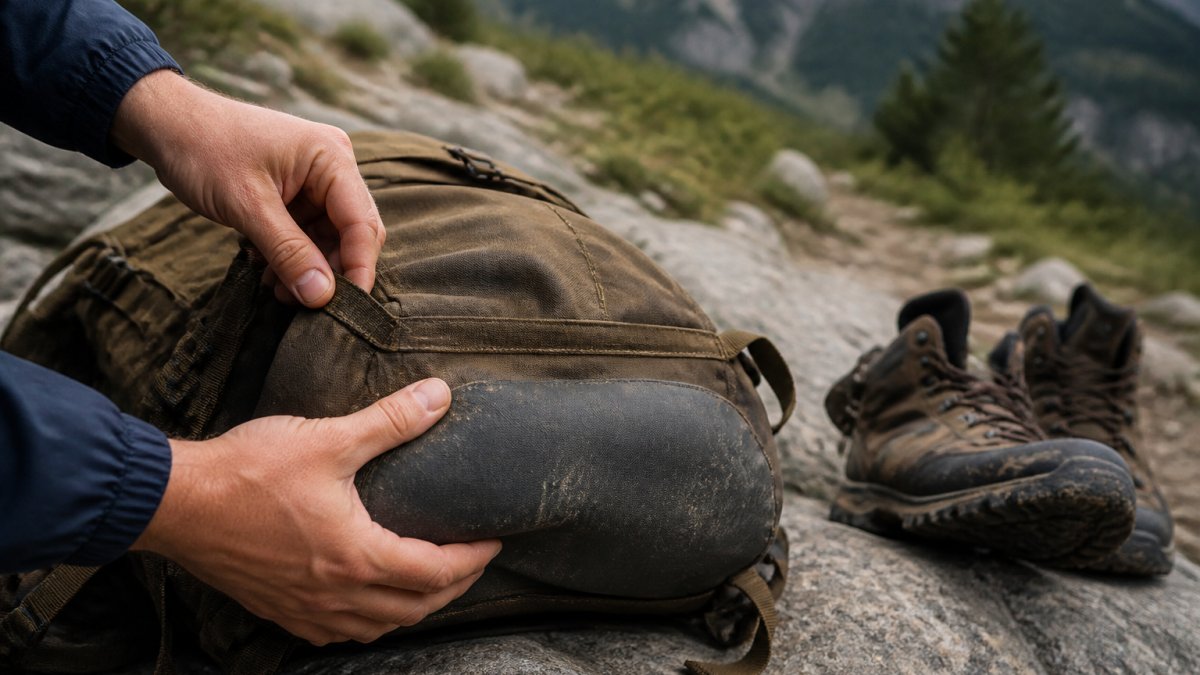
Fabric Denier and Abrasion Resistance Compared
Denier measures yarn thickness, and higher denier generally means better abrasion resistance at a weight cost. Here is how common pack and shell fabrics compare in practice:
| Fabric | Typical Denier | Abrasion Resistance | Weight | Best For |
|---|---|---|---|---|
| Ultralight ripstop nylon | 30D-70D | Low | Lightest | Fast day hikes, minimal loads |
| Standard pack nylon | 100D-210D | Moderate | Balanced | Most day hiking |
| Reinforced polyester | 420D-600D | High | Heavier | Rocky terrain, heavy loads |
| Ballistic nylon | 840D+ | Very high | Heaviest | Scrambling, gear-dragging use |
A common mistake is buying the lightest fabric available for rocky, brushy trails. Ultralight ripstop punctures on granite and snags on thorn. If your local trails are abrasive, 210D and up is the smarter call. But denier alone is not the whole story: a 210D fabric with a tight weave and a polyurethane coating will outlast a loosely woven 420D fabric with no coating, because abrasion resistance depends on weave density and coating as much as yarn thickness.
How to Assess Abrasion Resistance, Stitching, and Zippers Before You Buy
You can evaluate durability in the store or on a home shakedown without lab equipment. Run this checklist on any pack, shell, or pair of pants you are considering:
- Rub test: press your thumb firmly into the fabric and drag it across a textured surface. Thin fabrics distort or pill immediately; durable fabrics resist.
- Seam inspection: look for double-stitched or bar-tacked seams at load points (shoulder strap anchors, hip belt attachments, haul loops). Single stitching at a stress point is a failure waiting to happen.
- Stitch density: count stitches per inch along a main seam. Higher density (typically 8-12 stitches per inch on quality gear) distributes load better than sparse stitching.
- Zipper quality: check for name-brand zippers (YKK is the common standard) and look for zipper garages or storm flaps on shells. Gritty-feeling zippers with plastic coils on a load-bearing compartment are a warning sign.
- Hardware repairability: confirm buckles are replaceable without cutting stitching, and that cord locks and strap adjusters are standard sizes you can source aftermarket.
- Bottom and high-wear panels: reinforced fabric at the pack base, the knees of pants, and the shoulders of shells signals a manufacturer who understands where gear actually wears out.
When Lightweight Becomes Too Light
Lightweight crosses into too light when the gear needs babying. Warning signs: thin fabric at the pack base, single-stitched load points, non-replaceable buckles, and zippers that feel gritty. The trade-off is real, though.
Durability trade-offs also shift with conditions. A 210D pack is plenty for maintained trails and occasional rock contact; the same pack on sustained scree or off-trail bushwhacking will abrade at the base and side panels within a season.
Repairability as a Durability Criterion
The most durable gear is gear you can fix. Before buying, ask: can the zipper slider be replaced without replacing the whole zipper? Are buckles standard sizes? Is there a repair service or spare-parts availability? Gear with replaceable components and accessible repair options outlasts gear with proprietary, glued-in hardware even when the fabric is identical. This is the criterion most buyers skip, and it is the one that most affects how many seasons you actually get.
The Day Hiking Essentials Checklist: What Earns a Place in Your Pack
A day hiking essentials checklist should cover navigation, hydration, nutrition, insulation, illumination, first aid, and emergency shelter, with each item earning its place by weight and likelihood of use. The American Hiking Society's trail safety guidance frames these as the minimum for any outing, however short.
- Navigation: paper map, compass, and a charged GPS or phone app
- Hydration: water bottle plus a filter or purification tablets
- Nutrition: high-energy snacks with a spare meal
For lashing extra layers or a shelter to the outside of your pack, a durable gear strap solution keeps the load secure without adding bulk.
Choosing a Durable Hiking Backpack: Fit, Fabrics, and Field Testing
A durable hiking backpack fits when the hip belt carries most of the load, the frame matches your torso length, and nothing rubs under weight. Fit determines comfort; fabric and construction determine how long that comfort lasts.
How to Test Pack Fit Before You Buy
Load the pack with roughly the weight you will actually carry, then run this sequence:
Fenix HM62-T Lightweight Trail Running Headlamp →
- Torso check: the hip belt centers on your iliac crest, not your waist.
- Shoulder check: straps wrap smoothly with no gap at the collarbone.
- Walk test: ten minutes of walking reveals hot spots faster than any mirror.
- Reach test: confirm you can access water and a layer without removing the pack.
- Return window: buy where you can return it after a home test.
If you are ready to compare concrete options, you can browse our full backpacks and travel bags range to match capacity to your trips.
Hiking Clothing Layers That Survive Thorns, Rocks, and Repeat Washes
Hiking clothing layers last when the fabric resists abrasion, the seams are flat-locked, and the garment tolerates frequent washing without pilling. Layering is a system: a moisture-wicking base, an insulating fleece or puffy, and a rain shell.
Thorns and rock scrapes destroy thin base layers first. For trips where weather shifts fast, lightweight shelter solutions for backpacking pair well with a shell that packs small and dries fast.
How to Care for Hiking Gear So It Lasts More Than One Season
Caring for hiking gear means cleaning it after use, storing it dry, and repairing small failures before they spread. Most gear does not wear out; it gets stored wet, washed wrong, or retired over a five-minute fix. The difference between a pack that lasts three seasons and one that lasts ten is usually maintenance discipline, not purchase price.
Cleaning by Material: What to Wash and How
Different materials fail in different ways when cleaned wrong. Use this as a practical reference:
- Packs and bags: empty all pockets, brush off dry dirt, then hand-wash in a tub of cool water with a few drops of mild soap. Never machine wash or machine dry, agitation breaks coatings and heat degrades PU waterproofing. Rinse thoroughly and air-dry fully open, upside down, away from direct sun.
- Waterproof shells: wash with a technical cleaner (not detergent, which leaves residue that attracts water and masks breathability). Use a front-loading machine on a gentle cycle or hand-wash. Tumble dry low to reactivate the durable water repellent (DWR) finish, heat is what restores DWR performance, not more spray.
- Down insulation: wash sparingly, with a down-specific cleaner, in a front-loader on gentle. Tumble dry low with clean tennis balls to break up clumps. Never store compressed.
Re-Waterproofing and Re-Treating: When and How
DWR finishes wear off with use and washing. You will know it is time when water stops beading on the shell and the fabric starts to "wet out" (darken and absorb water). Re-treat with a spray-on or wash-in DWR product according to the manufacturer's instructions, and always clean the garment first, DWR will not bond to a dirty surface. For leather boots, re-treat with wax or conditioner when the leather stops repelling water or starts to feel dry and stiff.
Repair vs Replace: Cost Per Use and Replacement Timing
Divide the purchase price by the number of trips you expect to get from an item. A pack that costs more but lasts several seasons usually lands at a lower cost per trip than a cheap pack replaced every year. Replace when structural seams fail, waterproofing cannot be restored, or a repair costs more than half the replacement price. Repair zippers, buckles, straps, and patched fabric holes; those fixes are cheap and extend life significantly.
A practical repair kit for day hiking weighs almost nothing and handles most field failures:
- Tenacious tape or repair patches for fabric holes in shells and packs
- A spare buckle or two in standard sizes
- A few feet of cord (for laces, strap repairs, or emergency shelter tie-outs)
Storage and Seasonal Checks
Store packs loosely filled, never compressed, in a dry space away from direct sun. Hang boots or store them upright with newspaper inside to absorb moisture. Before each season, inspect seams, zippers, and waterproofing, and address small issues before they become trip-ending failures. A ten-minute seasonal check is the cheapest durability investment you can make.
Build Your Durable Day Hiking Kit at CampSummitCo
Building a durable kit starts with the items you rely on most: light, water, and load management. Our Fenix HM62-T headlamp pairs a lightweight magnesium body with a 1200-lumen output, IP68 waterproofing, and an integrated emergency whistle, so illumination and safety live in one piece of gear. For all-day hydration, the Oasis Insulated Water Bottle 32oz keeps drinks cold for up to 24 hours in a spill-resistant stainless steel body.


Frequently Asked Questions
What makes hiking gear durable?
Durability comes down to three things: fabric weight and denier, construction details like double stitching and reinforced stress points, and hardware quality such as metal buckles and coated zippers. Higher-denier nylon and polyester resist abrasion better than lightweight fabrics, while taped seams and bar-tacked straps prevent the failures that end a pack's life early. A durable hiking backpack usually weighs slightly more than an ultralight model, but it survives scrapes against granite and repeated loading without tearing.
What is the 3 layer rule for hiking clothing layers?
The three-layer system pairs a moisture-wicking base layer against your skin, an insulating mid layer such as fleece or a puffy jacket, and a weatherproof outer shell. Each layer does one job: move sweat away, trap warmth, and block wind and rain. For day hiking, you can often leave the insulating layer in your pack and add it at summits or rest stops. Choosing layers with abrasion-resistant face fabrics keeps them from pilling and snagging after a season of brushy trails.
How should I care for hiking gear to make it last?
Rinse mud off packs and boots after every trip, then air-dry them away from direct heat. Wash technical clothing with a mild detergent and no fabric softener, and reapply durable water repellent to shells when water stops beading. Store gear dry and loosely packed, not compressed in a hot car. Check straps, zippers, and seams each season, and repair small tears with patches or seam tape before they spread. This routine adds years of use and lowers your cost per hike.
How do I choose a durable hiking backpack for day hikes?
Start with volume: 15 to 30 litres covers most day hiking essentials checklist items, including water, food, layers, and a first-aid kit. Look for a pack with a abrasion-resistant bottom panel, sturdy shoulder straps, and a hip belt that transfers weight. Test the fit loaded with about 5 kilograms in the shop, then adjust the sternum strap and load lifters. A pack that sits flush against your back without pressure points will carry better and last longer than one chosen on capacity alone.
The real challenge is not choosing gear once, but choosing gear you will still trust after a full season of rocks, rain, and repeat washes. CampSummitCo stocks purpose-built equipment for exactly that, including waterproof floating dry bags, navigation and GPS devices, and specialized climbing gear. Get started with CampSummitCo and build a day hiking kit that earns its place in your pack for years.
