
Huckberry Alternative for Outdoor Gear: 2026 Guide
Last Updated: October 23, 2026
Quick Summary
A Huckberry alternative for outdoor gear is a specialist store that publishes real technical specs, offers a genuine budget tier, and states clear return terms before checkout. At campsummitco, we stock fewer products but publish the specs that matter, so you can compare on performance instead of photography.
- We scored stores on spec transparency, price-to-performance, category depth, and shipping and returns clarity.
- The Fenix HM62-T puts out 1200 lumens and runs up to 23.7 hours on a USB-C rechargeable battery.
- The Trekker Tent 1A is a $54 bivy-style solo shelter that pitches with your trekking poles.
- The Trekker Tent 2.2 costs $103 and pitches in about 60 seconds with a puncture-resistant floor.
- Read the return policy before the product page, since a generous window signals catalog confidence.
Table of Contents
- Why Shoppers Look for a Huckberry Alternative for Outdoor Gear
- How We Evaluated These Outdoor Gear Stores
- The Best Outdoor Gear Brands for Real Expeditions
- Shelter and Backpacking Gear That Earns Its Place in the Pack
- Affordable Outdoor Clothing and Everyday Wear
- Price Tiers, Shipping, and Returns: What to Check Before You Buy
- Which Outdoor Gear Store Fits Your Next Trip?
- Frequently Asked Questions
Why Shoppers Look for a Huckberry Alternative for Outdoor Gear
A huckberry alternative for outdoor gear usually attracts people who love the curated, style-forward feel of a lifestyle retailer but want deeper technical range, clearer specifications, and stores that specialize in the equipment they actually need.
That gap is real, and it matters more than most buyers expect. The Outdoor Industry Association participation trends consistently show that hiking and backpacking remain among the most popular outdoor activities, which means the market is crowded with retailers who look similar on the surface.
Below, we break down how to judge an outdoor gear store on the things that actually decide a trip: shelter performance, headlamp output, price tiers, and return terms.
How We Evaluated These Outdoor Gear Stores
We scored stores on four criteria: technical specification transparency, price-to-performance across budget tiers, category depth in backpacking and hiking gear, and the clarity of shipping and returns. A store that publishes real lumen counts, fabric weights, and pitch times earns more trust than one that leads with lifestyle photography.
Three things separate a serious outdoor gear store from a stylish one:
- Spec-level detail on every product page, not just marketing copy
- A genuine budget tier, so beginners aren't pushed into expedition gear
- Clear, written return terms before you add to cart
The Best Outdoor Gear Brands for Real Expeditions
The best outdoor gear brands for real expeditions combine verified technical specifications with honest weight and durability claims. For lighting, that means published lumen output, runtime, and ingress protection ratings.
Lighting is where the difference between a lifestyle store and a technical one shows fastest. Two headlamps can look identical in a photo and perform nothing alike at 3 a.m. on a trail.
Fenix HM62-T: A 1200-Lumen Headlamp Built for Trail Running
The Fenix HM62-T Lightweight Trail Running Headlamp is our pick for runners and fast hikers. It puts out 1200 lumens, throws light up to 150 meters, and runs up to 23.7 hours on its USB-C rechargeable 18650 battery.

What most buyers miss is the redundancy: the HM62-T also accepts CR123A batteries, so a dead cell doesn't end your trip. Add IP68 waterproofing and 2-meter drop resistance, and it handles weather that would sideline a cheaper unit.
Ledlenser H7R Core: Focus and Durability for Night Hikes
The H7R Core Headlamp suits hikers who want control over beam shape. Its patented Advanced Focus System shifts from a broad flood beam to a sharply focused long-distance beam, and the 130-degree rotating lamp head lets you aim light without turning your head.

Stepless dimming via the Wheel Switch is the feature we use most. Magnetic charging removes the fumbling with tiny ports, and IP67 Flex Sealing Technology handles dust and water.
Shelter and Backpacking Gear That Earns Its Place in the Pack
Shelter is where pack weight and budget collide, and the best backpacking and hiking gear stores give you a clear path from a budget bivy to a two-person trekking pole tent.
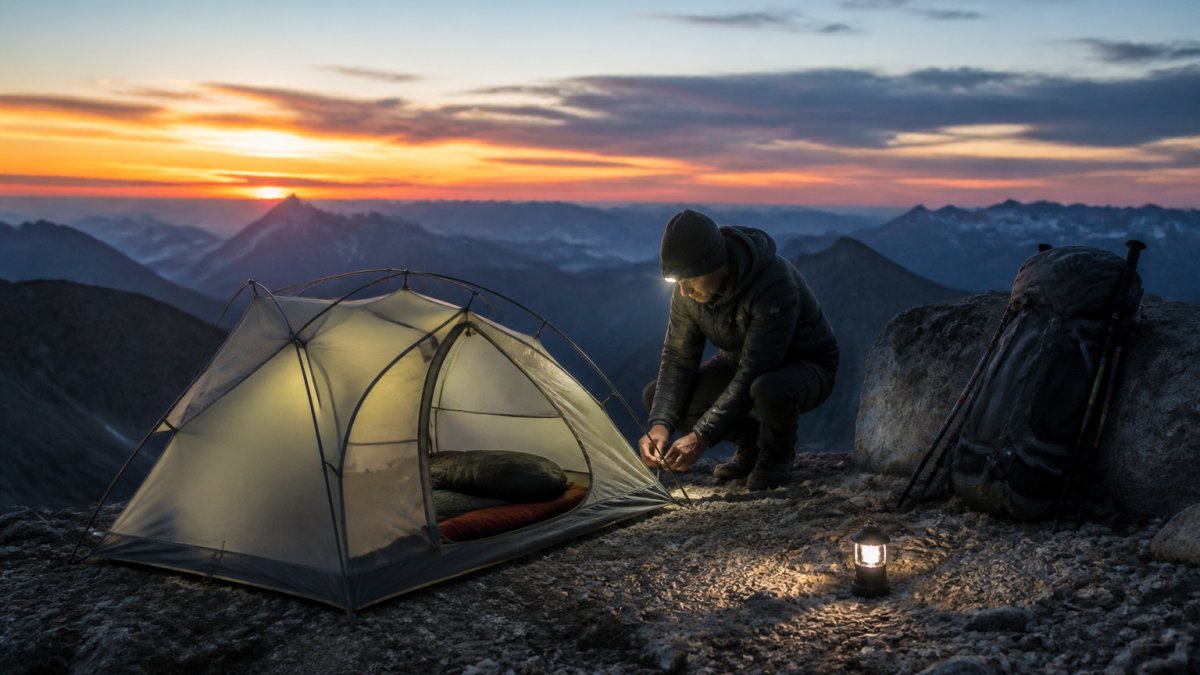
Trekker Tent 1A: Minimalist Solo Shelter at $54
The Trekker Tent 1A is a bivy-style ultralight shelter that pitches with your trekking poles. At $54, it's the entry point for solo backpackers who want weather-resistant materials and a compact pack size without carrying a pole set.
The trade-off is honest: it's a one-person minimalist design, so if you want to sit up and spread out gear, size up.
Trekker Tent 2.2 and Naturehike: Two-Person Options Compared
The Trekker Tent 2.2 is the stronger two-person choice for humid and high-altitude trips. Its 1.5-layer design uses expanded micro-mesh sidewalls and integrated side vents to cut interior condensation, and the footprint runs over 7 feet long and 5 feet wide.
The Naturehike 2-3 Person Waterproof Ultralight Camping Tent at $676.98 is the family and car-camping option, with waterproof construction and UPF50+ sun protection for 2-3 people. It's heavier and pricier, but it's built for basecamp comfort rather than minimum pack weight.
Fenix HM62-T Lightweight Trail Running Headlamp →

Affordable Outdoor Clothing and Everyday Wear
Affordable outdoor clothing is about layering discipline and fabric choice, not brand labels. The competitive gap here is that most roundups list categories (base layer, mid layer, shell) without telling you which fabrics and construction details actually survive repeated washing, pack down small, and cross over from trail to travel to commute. This section does that, with concrete fabric weights, mechanisms, and trade-offs.
The three-layer system, specified
A practical kit covers three jobs, and each job has a fabric spec that matters more than the logo:
- Base layer: moisture-wicking, quick-dry, next to skin. Look for polyester or merino wool in the 150-200 gsm range. Merino resists odor over multi-day trips; polyester dries faster and costs less. Avoid cotton, it holds moisture and chills you when you stop moving.
- Mid layer: fleece or synthetic insulation for warmth without bulk. Grid fleece (a waffle-textured knit) vents better than solid fleece during hard effort; a lightweight synthetic puffy packs smaller and warms more per ounce but costs more.
- Shell: windproof and water-resistant outerwear. A 2.5-layer waterproof-breathable shell is the budget sweet spot for day hikes; a 3-layer shell costs more but resists abrasion and wetting-out on multi-day trips.
Everyday wear that earns its place in a duffel
Technical gear that doubles as lifestyle clothing is the crossover most shoppers actually want from a Huckberry-style retailer. The test is simple: does the piece survive repeated washing, pack down small, and look acceptable off-trail? A merino-blend tee, a grid-fleece hoodie, and a stretch-woven pant cover hiking, travel, and casual wear in one system. Single-purpose pieces, a dedicated rain pant, a down parka, usually don't earn duffel space unless your trips demand them.
Durability evidence to check before you buy
Instead of trusting general quality claims, look for these product-level signals:
- Fabric weight and denier published on the product page (higher denier = more abrasion resistance, more weight)
- Stitch density and seam construction, flatlock seams reduce chafe; reinforced bar-tacks at stress points extend life
- Repair and warranty terms, a brand that sells repair patches or offers a warranty window is signaling confidence in its construction
Use-case picks by trip type
- Day hiking: polyester base layer, lightweight grid fleece, 2.5-layer rain shell, trail shoes
- Weekend backpacking: merino base layer, synthetic puffy mid layer, 3-layer shell, mid-cut boots
- Travel and everyday: merino-blend tee, stretch-woven pant, packable wind shell
Match the kit to how often you'll actually be out, not to the most extreme trip you can imagine. A day hiker buying expedition layers is paying for capability they'll never use.
Price Tiers, Shipping, and Returns: What to Check Before You Buy
Price tiers in outdoor gear cluster into three bands, and knowing which band you're shopping in prevents overspending. But the competitive gap most roundups miss is that price alone doesn't tell you whether a store is a good fit, shipping windows, return terms, and warranty coverage are practical decision factors that decide whether a purchase is actually low-risk. This section covers both.
The three price bands
| Tier | Typical Spend | What It Covers | Best For |
|---|---|---|---|
| Entry | Under $100 | Bivy shelters, basic headlamps, base and mid layers | Day hikers, beginners |
| Mid | $100-$300 | Two-person trekking pole tents, technical lighting, shells | Weekend backpackers |
| Technical | $300+ | Family shelters, expedition systems, 3-layer shells | Basecamp and multi-day trips |
Representative product prices make the bands concrete: a minimalist solo bivy sits at the entry tier, a ventilated two-person trekking pole tent sits in the mid tier, and a waterproof 2-3 person family shelter sits in the technical tier. Comparing within a band is fair; comparing across bands usually means comparing different jobs.
Shipping and availability questions to ask
Retailer policies vary widely, and the gap in most competitor content is that they never state what to verify. Before checkout, confirm:
- Stated shipping window, is it a handling time or a delivery estimate?
- Geographic availability, does the store ship to your region, and are there duties or restrictions on items like lithium-battery headlamps?
- Stock status, is the item in stock, backordered, or drop-shipped from a third party?
Return and warranty terms that actually protect you
A generous return window on shelter and footwear is a signal of confidence in the catalog. Check four things in writing:
- Return window length, and whether it starts at order date or delivery date
- Condition requirements, unused only, or can you pitch a tent and still return it?
- Who pays return shipping, a restocking fee or customer-paid return can erase the savings of a cheaper price
Matching the store to your shopper priority
Different shoppers should weight these factors differently:
- Value-first: prioritize entry and mid tiers, confirm return terms, and accept fewer technical specs
- Performance-first: prioritize published specs (lumen counts, fabric weights, pitch times) and warranty coverage
- Sustainability-first: look for repair programs, material disclosures, and brands that sell replacement parts
Which Outdoor Gear Store Fits Your Next Trip?
The right outdoor gear store depends on your trip profile, not on which site has the prettiest homepage. Solo minimalist backpackers need a $54 bivy and a 1200-lumen headlamp. Families need a waterproof 2-3 person shelter with sun protection.
At campsummitco, we built our catalog around that decision path: specialized climbing and mountaineering gear, waterproof floating backpack dry bags, navigation and GPS devices, and dedicated dog training equipment.
Frequently Asked Questions
What are some alternatives to Huckberry for outdoor gear?
CampSummitCo is a curated outdoor gear store that focuses on shelters, headlamps, and waterproof equipment rather than lifestyle apparel. Its catalog includes the Trekker Tent 1A at $54 and the Fenix HM62-T headlamp at $75.95. Shoppers who want a Huckberry alternative for outdoor gear should compare selection depth, price tiers, and return policies before committing. CampSummitCo publishes exact prices and product specs so you can judge value without guesswork.
How do I compare outdoor gear stores before buying?
Start with four criteria: product range, price transparency, durability evidence, and shipping and returns. Ask whether the store lists exact prices, whether it names materials and certifications, and how it handles damaged deliveries. CampSummitCo lists prices for every item, from the $54 Trekker Tent 1A to the $676.98 Naturehike tent, and describes materials such as the Fenix headlamp's magnesium body and IP68 waterproofing. Use those details to compare stores on facts rather than marketing language.
Where can I find durable outdoor gear at a lower price?
Look for stores that specialize in a narrow gear category and publish full specifications. CampSummitCo's Trekker Tent 1A costs $54 and uses trekking poles instead of included poles, which keeps the price down without sacrificing weather resistance. The Trekker Tent 2.2 costs $103 and adds a puncture-resistant floor and micro-mesh sidewalls. Both are affordable backpacking and hiking gear store options compared with the $676.98 Naturehike 2-3 person tent, which suits group camping rather than solo trips.
Is it worth paying more for a headlamp with higher lumens?
It depends on how you move after dark. The Fenix HM62-T delivers 1200 lumens and reaches 150 meters, with a 23.7-hour maximum runtime and IP68 waterproofing, for $75.95. The Ledlenser H7R Core costs $73.95 and offers stepless dimming, a 130-degree rotating head, and IP67 protection. Trail runners and fast hikers benefit from the Fenix output; campers who need adjustable focus for close tasks often prefer the Ledlenser. Match the beam and runtime to your activity rather than buying the highest number.
Do I need a specialty outdoor gear store or a general retailer?
Specialty stores tend to stock fewer products but publish deeper specifications, which matters for safety and durability. CampSummitCo, for example, describes the Trekker Tent 2.2's 1.5-layer ventilation design and its footprint of over 7 feet by 5 feet. General retailers may carry more categories but less detail per item. If your trip depends on a shelter or light performing in bad weather, buy from a store that tells you the materials, ratings, and exact price upfront.
Choosing gear for a multi-day trip is a series of trade-offs between weight, cost, and weather protection, and getting one wrong shows up on the trail. At campsummitco, we curate shelter, lighting, and technical equipment so you can pack light and move with purpose. Browse our waterproof dry bags, trekking pole tents, and trail-ready headlamps, and build a kit that matches the trip you're actually taking. Shop campsummitco and head out with gear you can trust.
