
Durable Climbing Gear for Beginners 2026
Table of Contents
- What Beginners Actually Need: Durable Climbing Gear Essentials
- Ropes That Last: A Beginner Climbing Rope Guide
- Harnesses, Helmets, and Belay Devices for New Climbers
- Building Your Beginner Rock Climbing Gear Checklist
- Climbing Gear Maintenance and Inspection for Durability
- Buying vs Renting Climbing Gear: What Makes Sense in 2026
- Safety Standards and Durability Evidence You Should Know
- Conclusion
- Frequently Asked Questions
Last Updated: October 19, 2026
What Beginners Actually Need: Durable Climbing Gear Essentials
Starting climbing means buying gear that won't fail halfway up a wall. Durability comes down to materials, construction, and maintenance. At campsummitco, we help climbers build kits that survive years of regular use.
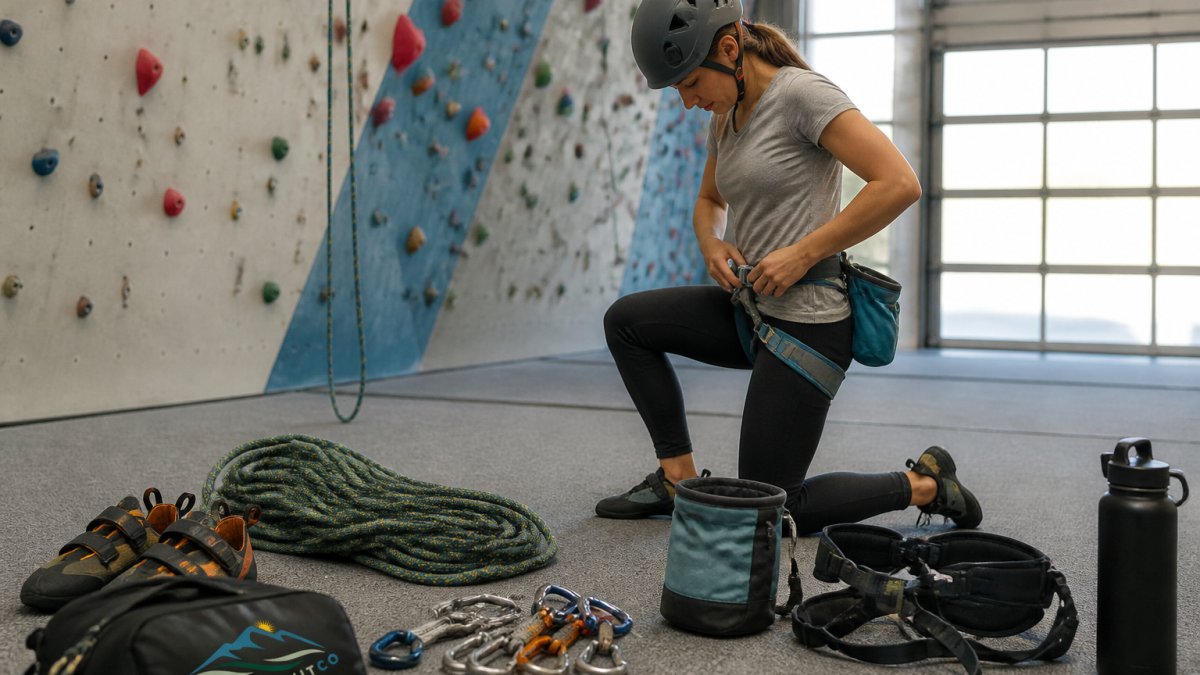
Most beginners ask what the minimum is to start. Indoor climbing requires less equipment since the gym provides anchors and safety systems. Outdoor climbing demands a complete system: rope, harness, helmet, belay device, carabiners, quickdraws, and protection gear. Both paths require durability because climbing equipment fails catastrophically when it fails.
This guide covers what matters when selecting durable climbing gear for beginners in 2026, breaking down each category and showing you how to inspect gear before you buy.
Quick Comparison Table
| Gear Category | Key Durability Factor | Beginner Priority | Expected Lifespan |
|---|---|---|---|
| Rope | Sheath integrity and core strength | Critical | 5-10 years with proper care |
| Harness | Stitching and webbing quality | Critical | 5-7 years |
| Helmet | Shell material and impact absorption | Critical | 3-5 years |
| Belay device | Metal construction and wear resistance | Critical | 10+ years |
| Carabiners | Gate function and alloy strength | High | 10+ years |
| Chalk and chalk bag | Moisture resistance | Moderate | 1-2 years (chalk), 2-3 years (bag) |
| Protection gear | Sling durability and nut quality | High (outdoor only) | 5-10 years |
Ropes That Last: A Beginner Climbing Rope Guide
A climbing rope is your lifeline. It absorbs falls, distributes force, and protects you when everything else fails. The best beginner climbing rope balances durability, handling, and affordability.
Most beginners start with single ropes between 8mm and 10mm. Thinner ropes (8mm) are lighter and pack smaller, ideal for outdoor climbing. Thicker ropes (10mm) are more durable and forgiving but heavier.
Rope durability depends on sheath quality, core integrity, and storage. The sheath takes abuse from carabiners, rock, and handling; if it frays, the rope weakens. The core holds the actual strength; if damaged, the rope fails.
When evaluating a beginner climbing rope, look for double-braid or kernmantel construction. Double-braid ropes have an outer braid and inner core that work together. The climbing rope safety standards from the International Climbing and Mountaineering Federation specify minimum breaking strength and elongation requirements.
The 8mm Predator™ Rope-By The Foot from campsummitco is a double-braid nylon and polyester rope with a minimum breaking strength of 3,600 lbs (unspliced) and average strength of 4,000 lbs. It's flexible and easy to work with, and you can buy it by the foot.

Harnesses, Helmets, and Belay Devices for New Climbers
Your harness keeps you connected to the rope, wrapping around your waist and thighs to distribute force if you fall. Durability depends on webbing quality and stitching integrity. Look for reinforced stitching at stress points: the waist attachment, leg loops, and belay loop.
A helmet protects your head from falling rocks, swinging gear, and impact. Many beginners skip helmets indoors, but that's a mistake: gear can fall from above, and even indoor walls have hard edges. Durability depends on the shell material and foam liner.
The belay device controls rope during belaying. Common types include tube devices (like the ATC), assisted-braking devices (like the GriGri), and figure-eight descenders. Tube devices are simple, durable, and cheap, requiring active hand control but nearly indestructible. Assisted-braking devices are more forgiving but have moving parts that wear out.
For beginners, a tube device is the right choice. The 8mm Predator™ Standard One Stick/Rappel Kits from campsummitco includes a Kong 8 Classic Descender, a tube-style device made from forged metal, rated for 440 lbs safe working load (sewn eye) or 320 lbs (spliced eye).

Building Your Beginner Rock Climbing Gear Checklist
A complete beginner climbing kit includes more than rope and harness. Here's what you actually need:
For indoor climbing:
- Climbing shoes (specific durability depends on use frequency)
- Harness
- Belay device
- Carabiners (at least 2 locking carabiners for belaying)
- Chalk and chalk bag
- Helmet (optional but recommended)
For outdoor climbing (add to indoor list):
- Rope (50-70 meters)
- Quickdraws (usually 6-12 depending on climb length)
- Protection gear (nuts, cams, or slings depending on climbing style)
- Backup carabiners and slings
- First aid kit
Carabiners are metal rings with a gate that connect your harness to the rope, anchor quickdraws, and secure protection gear. Durability depends on the alloy, gate function, and cycling. A carabiner with a sticky gate or bent spine is compromised.
Quickdraws are pre-assembled pairs of carabiners connected by a sewn sling, letting you clip the rope into bolts. Durability depends on sling stitching and carabiner quality; a worn sling or loose carabiner should be retired.
The 8mm Predator™ Sewn & Spliced Tree Tether & Lineman's Belts from campsummitco can serve as backup slings or anchoring points. They're 8 feet long, rated for 440 lbs safe working load, third-party tested, and made in the USA.

Climbing Gear Maintenance and Inspection for Durability
Maintenance separates gear that lasts five years from gear that lasts ten. A few simple practices will extend the life of everything you own.
Rope care: After each climb, coil your rope loosely and store it dry. Avoid stepping on it or running it over sharp edges.
Harness and webbing: Inspect webbing for tears or discoloration, which can indicate UV damage or chemical exposure. Check all stitching, especially where webbing is doubled over.
Helmet inspection: Look for cracks or dents indicating impact. If you've hit your head hard, replace the helmet even if it looks fine, since the foam may be compressed.
8mm Predator™ Rope-By The Foot/Spool →
Carabiner maintenance: Open and close the gate several times; it should move smoothly with a click. If sticky, clean with a dry brush or cloth.
Belay device care: Wipe off dirt and chalk after each use and check that the device moves smoothly through the rope.
The climbing gear maintenance guidelines from the American Alpine Club provide detailed care instructions for different equipment types. Following these guidelines will keep your gear safe and extend its life significantly.
Buying vs Renting Climbing Gear: What Makes Sense in 2026
Beginners face a choice: buy your own gear or rent from a gym. It depends on how often you'll climb and whether you're testing the sport or committed to it.
Renting makes sense if:
- You're climbing fewer than once per week
- You're unsure whether climbing will stick as a hobby
- You're traveling and don't want to pack gear
- You're trying different climbing styles to see what you prefer
Rental gear is maintained by the gym, but it's used by dozens of people, so it wears faster and may not fit perfectly. Rental harnesses are one-size-fits-most, and ropes are retired more frequently due to wear.
Buying makes sense if:
- You're climbing once per week or more
- You've taken a belay course and feel confident
- You want gear that fits your body and climbing style
- You plan to climb outdoors eventually
Your own gear fits better and lasts longer because you control how it's used. The upfront cost is higher, but spread over years it's cheaper than renting, and you build the habit of inspecting and maintaining equipment, a critical safety skill.
For beginners buying their first kit, start with essentials: harness, belay device, carabiners, and chalk. You don't need expensive climbing shoes immediately, gym rentals are fine until you're climbing regularly.
The 8mm Predator™ Standard One Stick/Rappel Kits from campsummitco is a complete starter package at 124.19. It includes 40 feet of rope, carabiners, a descender, and slings. For beginners, this provides everything needed to start climbing safely.
More importantly, owning gear means you're invested in learning proper technique and safety.
Safety Standards and Durability Evidence You Should Know
Climbing equipment isn't regulated like other sports gear. Instead, the industry relies on voluntary certifications from organizations like the International Climbing and Mountaineering Federation (IFMGA) and the European Committee for Standardization (CEN).
The UIAA climbing equipment standards specify minimum breaking strength, elongation limits, and impact absorption for different equipment types. When you buy gear, look for UIAA or CE certification markings. These indicate third-party testing and compliance with safety standards.
Durability evidence comes from real-world use data. Gyms track equipment failures and their causes, and outdoor communities share failure reports. This data shows quality equipment from reputable manufacturers lasts significantly longer than budget alternatives.
The products from campsummitco are third-party tested and made in the USA. The specifications are published, so you can verify the breaking strength and safety working load. This transparency is a durability signal.
Conclusion
Durable climbing gear for beginners comes down to four decisions: choosing the right materials, understanding what durability means, maintaining your equipment, and knowing when to replace it. The rope, harness, helmet, and belay device are non-negotiable.
campsummitco offers climbing equipment built specifically for durability. The 8mm Predator™ ropes are tested to 3,600-4,420 lbs breaking strength, the complete rappel kits include carabiners and descenders, and the tethers are made in the USA with published safety specifications. Start with a complete kit, learn to inspect your gear, and replace items before they fail. Your climbing career will be longer and safer because of it. Shop our climbing gear selection and build your durable beginner kit today.
Frequently Asked Questions
What climbing gear does a beginner absolutely need to start?
Start with climbing shoes, a harness, a helmet, a belay device, carabiners, quickdraws, and chalk. If you're climbing indoors, the gym typically provides rope and some protection gear. For outdoor climbing, add a rope, protection gear, and a rope bag. A quality beginner-friendly harness and helmet are non-negotiable for safety. Many beginners rent initially to test the sport before investing in durable climbing gear for beginners.
How do I know if climbing gear is safe to use?
Check for third-party testing labels on the product. Reputable climbing gear carries certifications from recognized standards bodies. Before each use, inspect your rope for cuts or fraying, check carabiners for cracks, and ensure your harness webbing is intact. The 8mm Predator Rope kits from CampSummitCo are third-party tested and made in the USA, meeting safety standards for climbing equipment. If gear shows visible damage, retire it immediately.
Should beginners buy or rent climbing gear?
Rent for your first 5-10 climbing sessions to confirm you enjoy the sport and understand proper use. Once committed, buy durable climbing gear for beginners, especially a harness, helmet, and shoes that fit your body correctly. Renting avoids upfront cost but buying ensures proper fit and lets you control maintenance. Budget around $300-500 for a solid starter kit. The 8mm Predator One Stick/Rappel Kit costs $124.19 and includes carabiners and a descender for those ready to invest.
How long does climbing gear actually last?
A well-maintained rope lasts 5-10 years depending on use frequency and storage conditions. Harnesses, helmets, and carabiners can last 10+ years if inspected regularly and stored dry. Climbing shoes typically need replacement every 1-2 years with regular use. Proper climbing gear maintenance and inspection, storing gear away from sunlight, checking for wear before each climb, and keeping equipment dry, extends durability significantly. The 8mm Predator Rope is designed for durability and flexibility, holding up well against abrasion with proper care.
What's the difference between indoor and outdoor climbing gear for beginners?
Indoor climbing requires a harness, shoes, helmet, and belay device. Most gyms provide rope and anchors. Outdoor climbing adds the need for your own rope, carabiners, quickdraws, and protection gear. Outdoor gear must be more durable and weather-resistant. Indoor-focused beginners can start with lighter, budget-friendly equipment. Outdoor beginners need investment-grade gear rated for real-world conditions. The 8mm Predator Rope is suitable for both environments and is made in the USA with proven durability for recreational climbs and outdoor applications.